6 min read
How to Build an ATS Migration Plan, From Data Discovery to Go-Live.
A clear, phased ATS migration plan protects your data and your team. Here is how to move from data discovery to go-live without losing billing time.
Most ATS migrations do not fail on the technical work. They fail on the plan.
A migration touches your data, your workflows, your reporting and every recruiter who logs in each morning. Move it badly and you lose candidate history, break your numbers and slow the desk down for weeks. Move it well and you open your new platform with clean data and a team that trusts it from day one.
I have led migrations onto Bullhorn for staffing and recruitment agencies across four countries. The pattern repeats every time. The firms that plan the migration in clear phases keep control of it. The firms that treat it as a weekend data dump spend the next three months cleaning up.
Here is the plan I use, from data discovery to go-live.
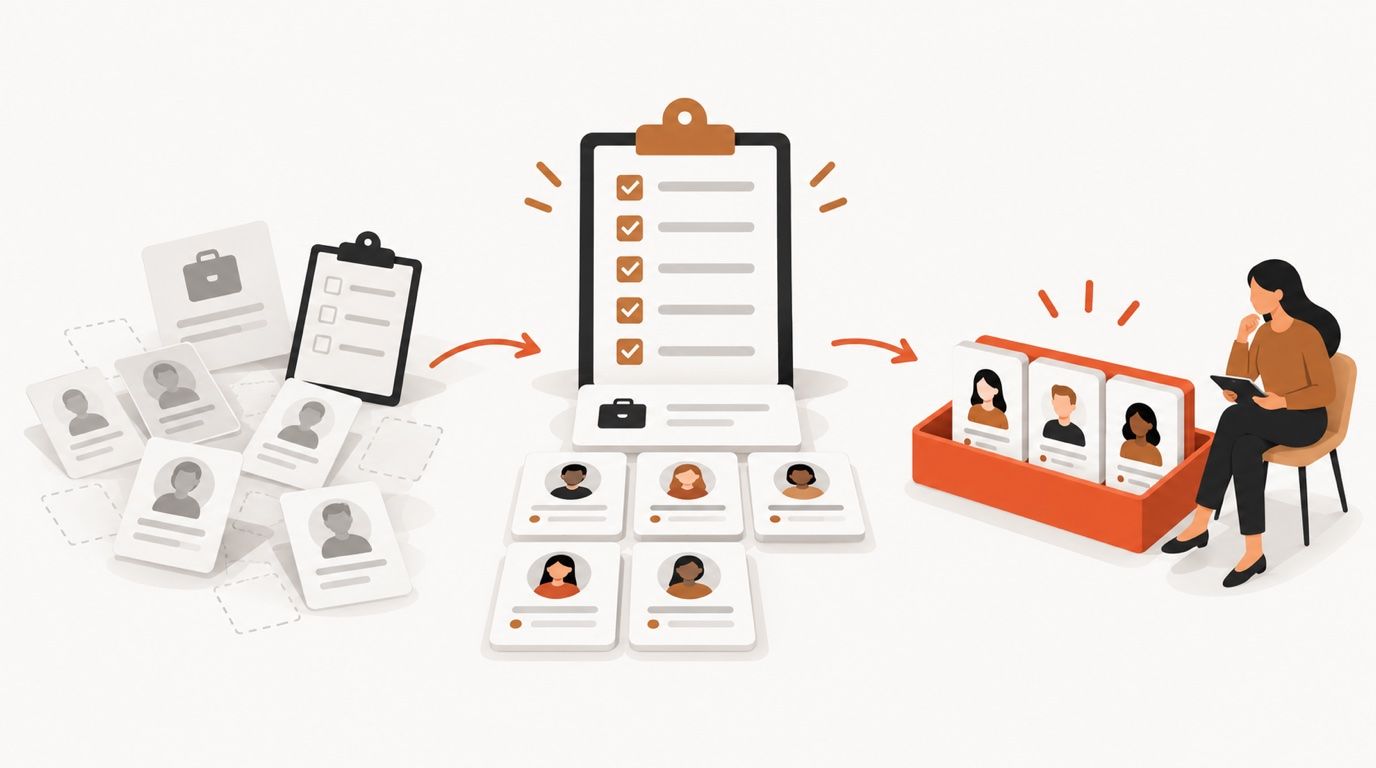
1. Start with data discovery, not a data export
The first instinct is usually to ask the old provider for an export. That is the wrong place to start.
Begin by understanding what you actually have. How many candidate records exist, and how many are genuinely active? Where does your important information live today? Is it in structured fields, or is it buried in free-text notes? Which custom fields does the team rely on, and which ones nobody has touched in years?
Data discovery tells you the size and shape of the job. It also surfaces the surprises early, while you still have time to deal with them. A migration plan built on a real audit holds up. A plan built on a guess does not.
2. Agree the scope, the team and the timeline
A migration is a project, so it needs an owner.
Decide what is moving and what is being retired. Decide who signs off on the field mapping, who approves the test data and who makes the final go-live call. Name those people before the work starts.
Set a timeline that matches your billing cycle and your busy season. A migration during your heaviest placement month is a risk you can plan around. Most staffing migrations run across six to twelve weeks, depending on data volume and how much configuration the new platform needs.
Build the plan with your team, not around them. The recruiters who use the system every day will tell you which fields and reports they cannot work without.
3. Map your fields before you move a single record
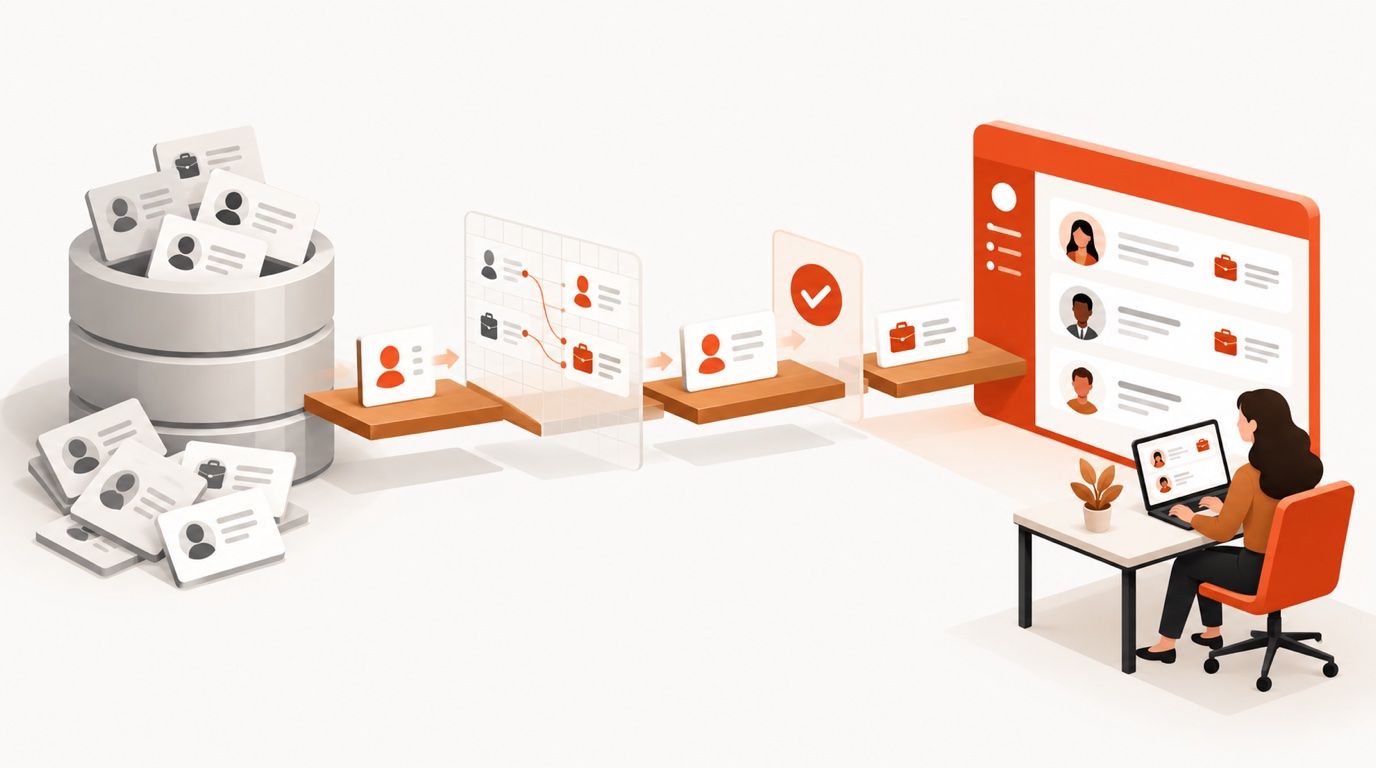
Field mapping is the heart of the migration plan.
Every field in the old system needs a decision. It maps to a field in the new platform, it merges into another field, or it retires. Candidate status, source, owner, job type, submission history: each one needs a home in the new structure.
This is the step that protects your reporting. If status values or ownership do not map cleanly, your pipeline numbers break on the first Monday. Map the data that drives your decisions, and map it carefully.
This work is the backbone of every new Bullhorn implementation we run.
4. Clean the data that matters, and leave the rest
You do not need a perfect database to migrate. You do need the important records to be right.
Deduplicate contacts and companies. Standardise the job titles, locations and statuses your searches depend on. Decide how far back your candidate history needs to go, because moving ten years of inactive records adds cost and clutter for little return.
A migration is the best cleanup opportunity you will get. Use it to leave the old mess behind, not to carry it across. Your data is only half the job, and the cleanup you do now pays back every day after go-live.
5. Build and configure the new platform
With the mapping agreed, configure the new system to match the way your team works.
Set up your workflow stages, your required fields, your user permissions and your templates. Build the automations that remove repetitive work. Configure the reports and dashboards the leadership team needs, so the numbers are ready on the first day rather than a month later.
Configuration and mapping are two sides of the same plan. The structure you build has to receive the data you are moving.
6. Run a test migration and validate it
Never make the first migration the live one.
Run a test migration into a staging environment. Then validate it against real questions. Can a recruiter find a candidate they placed last year? Does the submission history read correctly? Do the pipeline reports match the old system? Pull a sample of records and check them by hand.
The test migration is where you catch the mapping gaps while they are still cheap to fix. Fix them, run it again, and keep going until the data reads the way the team expects.
7. Train the team before go-live, not after
A clean migration still fails if the team does not know how to use the new platform.
Train people on their real jobs and candidates, not a demo database. Show them how their daily workflow runs in the new system. Give them a place to ask questions. The goal is a team that logs in on day one and keeps billing, rather than a team that quietly reverts to spreadsheets.
Technology adoption is a human problem before it is a technical one. The firms that plan the training into the migration are the ones that see the efficiency gains, often around forty percent, and the ten or more hours a week that a good platform gives back to each recruiter.
8. Go live with a hypercare period
Go-live is a date, not a finish line.
Plan a hypercare period of one to two weeks immediately after launch. Keep support close, watch the first real workflows, and fix the small issues fast before they turn into workarounds. Freeze the old system as read-only so nobody keeps working in two places.
Then review. What moved cleanly? What needs a second pass? A short review after go-live turns a migration into a platform your team actually trusts.
A migration plan is what turns a new system into a working one
The technical migration is a few days of work. The plan around it is what decides whether the project succeeds.
Discover the data, agree the scope, map the fields, clean what matters, build the platform, test the migration, train the team and support the go-live. None of it is as exciting as the launch date. All of it is what makes the launch date worth having.
Achieve plans and runs ATS and CRM migrations onto Bullhorn for staffing and recruitment agencies, from data discovery through go-live and adoption. If you are planning a move, let us help you get the new system right the first time.