
Moving Recruitment Systems? The Data Migration Is Only Half the Job
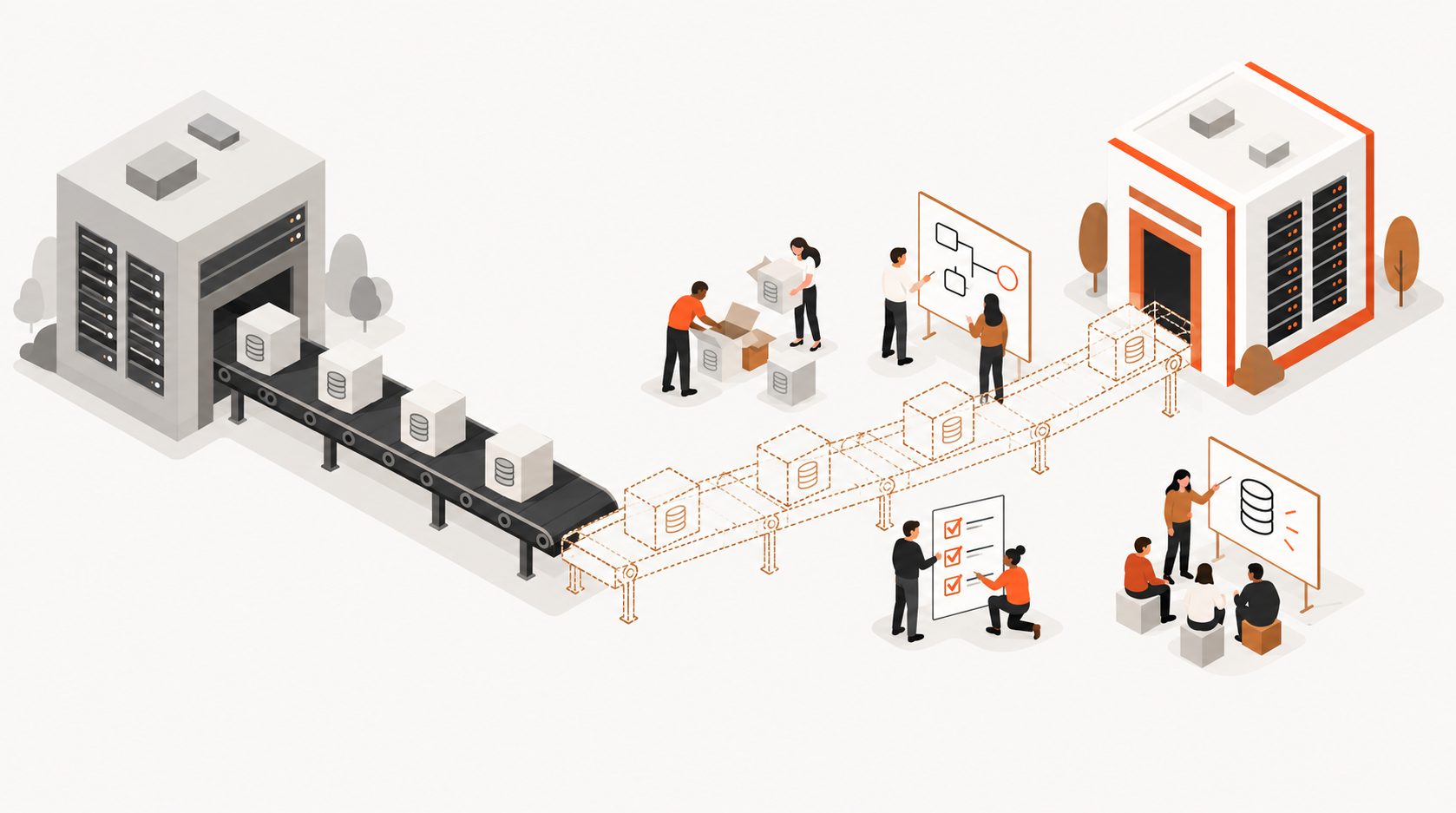
An ATS and CRM migration can be technically successful and still leave the recruitment team with a system that does not work for them. The data may arrive, the records may open and go-live may happen on schedule, but that only proves the technical move worked.
Whether a business is moving between Bullhorn, JobAdder, Atlas, Tracker or another recruitment platform, it is also moving years of processes, habits, workarounds and decisions about how the business operates. That part needs just as much attention as the data.
What is an ATS and CRM migration?
An ATS and CRM migration moves recruitment data from one platform to another, but a useful migration also redesigns how that information supports jobs, candidates, contacts, placements and reporting. It is part data project, part implementation project and part change project.
Moving every field can recreate the problems you wanted to leave behind
Most recruitment systems have fields nobody can explain, statuses people stopped using years ago and information stored in three different places because each team developed its own way of working.
If you move all of that into the new system without questioning it, you have not fixed anything. You have just recreated the same problems somewhere else.
This is why an ATS or CRM migration needs to start with the business, not the field list.
What information do recruiters actually need? What does the leadership team need to report on? Which processes are working? Where are people going outside the system because the current workflow does not make sense?
There is no point creating a perfect copy of an environment the business already wants to leave behind.
Why recruitment expertise matters during data mapping
A migration provider can map a field from the old ATS to the new one. They cannot always know what that field means to the people using it.
I think this is where businesses can get caught out. The migration becomes a technical conversation, while the people who understand the recruitment process are brought in too late.
Someone needs to represent the business in those discussions. They need to ask why information is being moved, challenge assumptions and make sure the structure will work once recruiters are back at their desks.
That does not mean the advisor or internal project lead needs to write migration scripts or perform the technical load. It means the business has somebody protecting its interests and translating between the migration team and the people who will live in the new system every day.
ATS migration testing should follow real recruitment scenarios
Seeing a candidate record in the new ATS is not enough to tell you the migration worked.
Can a recruiter find that candidate? Can they see the notes and placement history they need? Can they submit the person to a job, contact the client and move the process forward? Can managers trust the reports?
The best testing sessions follow real scenarios from beginning to end. They usually uncover things that a spreadsheet comparison never will.
They also give the team a chance to become familiar with the new platform before go-live, which makes the change feel much more manageable.
ATS and CRM adoption starts after go-live
People will have questions once they start using the system properly. Workflows that looked fine during testing may need to change. Information may be sitting somewhere users do not expect to find it.
That is normal.
A good implementation leaves room for feedback, adjustments and more training after launch. It also gives people somewhere to go when they are unsure, rather than letting frustration build until they return to spreadsheets, inboxes and old habits.
The success of an ATS or CRM migration is not simply that the data arrived and the old system was switched off.
It is that the new recruitment system makes sense to the business and the team feels confident using it.
Achieve helps recruitment businesses get more from systems including Bullhorn, JobAdder, Atlas and Tracker, from migration and implementation through to workflow design, training and adoption.
Frequently asked questions about ATS and CRM migration
What should be included in an ATS migration plan?
Include data discovery, field mapping, workflow design, user acceptance testing, training, go-live support and a period for post-launch adjustments. The plan also needs clear ownership from somebody who understands the recruitment business, not only the technology.
Do we need to migrate every record from our old recruitment system?
Usually not. Old, duplicated or unusable data can make the new system harder to trust. Decide what the business needs to retain for operations, reporting and compliance, then archive or exclude information that has no useful purpose.
How long does a recruitment system migration take?
It depends on data volume, complexity, integrations, reporting and the amount of workflow change involved. A realistic timeline needs room for more than the technical load, particularly testing, training and corrections.
Can Achieve help with Bullhorn, JobAdder, Atlas and Tracker migrations?
Yes. Achieve helps recruitment companies with technology selection, migration planning, implementation, workflow design, testing, training and adoption across platforms including Bullhorn, JobAdder, Atlas and Tracker.